
A reminder of Fiona’s hints, tips and treats for autumn from this morning’s show…
Rainbow eating
Eating the rainbow is based on eating as widely as possible from the coloured fruits and veg we have to choose from – apply that seasonally as new fruits come into season.
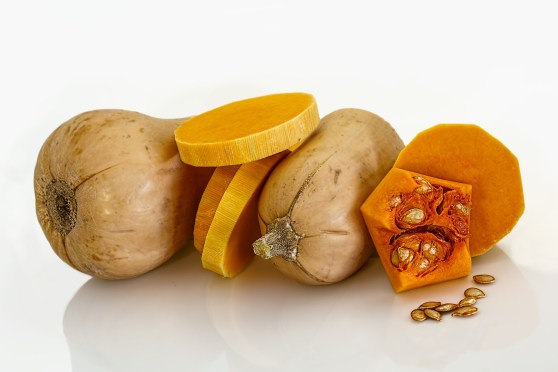
So add in blackberries (rich in B vitamins as well as the anthocyanins that give them their glorious purple colour), pears (rich in potassium and vit C) and vibrant orange pumpkins and squash as well as zinc-packed pumpkin seeds. Use fresh carrots and other roots to make healthy soups.
Eating in harmony with the seasons is a part of many health and spiritual practices, including yoga. A yoga perspective encourages eating with the seasons, adding more warming and stimulating foods in autumn such as spices, garlic and ginger (carrot soup is wonderful with ginger added for some extra zing).
At the same time yoga advises cutting down on cooling foods such as leafy greens and cucumber. So move away from the salads as the weather gets chillier and focus on warming foods with small numbers of ingredients cooked slowly, especially stews and soups.
You may find it helpful to add in more protein from nuts, seeds, cheese and eggs (useful to substitute this for some meat so you can reduce your intake) to help balance the unpredictable weather at this time of year. Consider adding in more protein at breakfast – see below.
Back to school
The summer holidays are over, school days start this week and that means getting back into a routine.
One key aspect of routine vital for children at school is getting enough sleep (six to 12 year-olds are reckoned to need 10 hours a night). After holidays and lie-ins, you’ll need to take charge of this important aspect and re-establish times for bed and getting up.
Talk about how important it is to have a good night’s sleep. Encourage them to take part by creating a night routine they enjoy, such as that special book time or a five-minute cuddle before turning in. Restrict screen time to at least 30 minutes before bedtime so they don’t go to bed over-stimulated and don’t give sugary drinks and juices at teatime. Encourage your children to be comfortable in the dark if at all possible.
After a refreshing night’s sleep, what we need is a nutritious breakfast. Although cereals have long been a favourite, protein helps us stay feeling fuller for longer.
An old-fashioned boiled egg with soldiers makes a great breakfast – and if you make the kids a boiled egg, remember to have one yourself!
Feet treats
Our feet do an amazing job but wearing shoes often cramps the toes and stops them being as flexible as they should be. Look after your feet and toes – your legs and back will thank you for it.
Go barefoot whenever you can, especially after a day at work. And give your feet a workout – you can do this in front of the TV or when you’re relaxing.
- With both feet flat on the floor, lift and spread your toes as wide as you can. If you do this every day, you’ll notice a big difference in how much space you can see between your toes! One foot may need a bit more help than the other – you can always separate the toes with your fingers to start with.
- Put your feet on the floor with your toes splayed out. Try to lift your big toes only away from the floor. Do this every day to wake up your feet.
- Then put your big toes down, lift the other toes and give them a good wiggle!
- Use a tennis ball to massage the bottom of your feet – put the ball on the floor and roll your feet on it one at a time. You need to do it quite firmly and you may experience a little discomfort but, done regularly, this is good for keeping your feet responsive and supple.
Face Time
Here’s how to do a simple face massage.
- Have a bath so you’re nice and relaxed.
- Lie down and put a pillow beneath your head.
- Relax your face – try to imagine that your skin sliding off your face it’s so relaxed. Then say the vowel sounds to stretch your face: AEIOU. Repeat slowly three times.
- If you can, bend your head back for a count of 10 while opening your eyes as wide as you can and lifting your eyebrows. If bending is not advised, just open your eyes and lift your eyebrows.
- Place two fingertips on each ear lobe and press gently with your thumb for a count of five, then slide fingers up to your temples and press gently for a count of five.
- Finish by making gentle circles over your temples. Then have a nice glass of water.
If you want to find out about using remedies to look after the family, why not go along to Fiona’s next Homeopathy at Home between 10am and 12 noon on Friday 23 September? For more information, just give her a call on 01636 679290 or visit her Facebook page…

 If you were listening in on Sunday, you’ll have heard Fiona talking about our sense of smell as an introduction to
  Girls Around Town